

How to Clean Lampshades

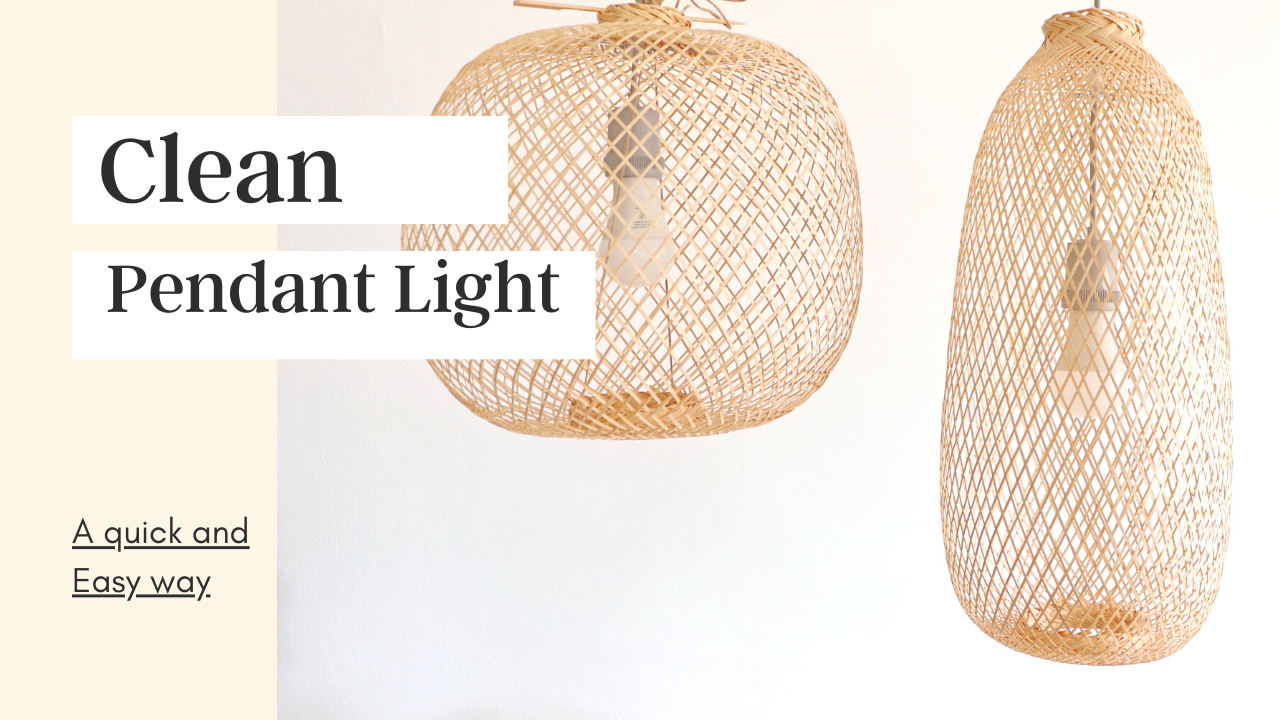
If you regularly clean your lampshades, give yourself a pat on the back. For many people, lampshades are one of several household items that slip through the cracks during routine cleaning. But they do need to be cleaned, as they have a tendency to collect unsightly dust. They can also turn yellow over time.
Fortunately, cleaning lampshades isn’t that difficult. Learn how to clean lampshades of all shapes, sizes and materials — and then find out how to keep them clean.
Fabric Lampshades
As you might expect, cleaning lampshades made of fabric can be a bit time-consuming. However, the payoff makes this task well worth the effort.
Consult any manufacturer’s instructions or care tags to make sure there aren’t specific cleaning products you should use or avoid.
Unplug the lamp and remove the shade.
Use a dry microfiber cloth or vacuum cleaner with an upholstery attachment to remove any dust.
Fill your bathtub with warm water. You’ll need enough water to be able to cover at least half of your lampshade.
Add a few drops of gentle liquid laundry detergent or dishwashing liquid.
Churn the water with your hands to activate the soap suds. Add more soap if needed.
Lower the lampshade into the water. Let especially soiled lampshades soak for about 10 minutes. You may need to rotate the shade to ensure all sides get equal soaking time.
Dampen a clean microfiber cloth in your sudsy water and use this to wipe down the lampshade, working from top to bottom.
Drain the tub and refill it with warm water. You won’t need any soap this time.
Dip and swish the shade in the fresh water to remove any remaining soap.
Drain the tub and shake as much water from the shade as you can.
Set your lampshade on a towel to drip dry. You could also set the shade outside or use a hairdryer on a low setting to dry the fabric. If do you use a hairdryer, be certain to dry your hands and wipe up any excess water that may have sloshed on the floor before you plug it in.
Let the shade dry completely, then re-attach it to the lamp base.
Paper and Parchment Lampshades or Lampshades with Glue
Naturally, paper and parchment shouldn’t be submerged in water, and wetting lampshades with glued seams or embellishments can corrode the adhesive. Because of this, these materials need some special treatment.
Consider wearing gloves when cleaning paper lampshades to prevent staining them with the oils from your hands. You’ll definitely want to wear cleaning gloves for parchment shades, as these materials are especially sensitive to the oils on your fingertips.
Unplug the lamp and remove the shade.
Gently wipe these shades with a dry microfiber cloth, or use a vacuum cleaner attachment to remove the dust.
There’s a bonus method for parchment shades: You can wipe dirt away from them using a dry piece of white bread! Simply use the bread as you would a microfiber cloth. Don’t forget your gloves, and make sure you’re being gentle as you wipe.
Plastic Lampshades
Cleaning plastic lampshades is a cinch because the material isn’t quite as delicate as fabric or paper.
Unplug the lamp and remove the shade.
Remove dust by wiping with a dry microfiber cloth or using a vacuum cleaner attachment.
Combine a few drops of mild dishwashing liquid with warm water.
Dampen a clean microfiber cloth with your soapy water.
Gently wipe the shade clean.
Let the shade dry completely, and buff out any streaks with a dry microfiber cloth before putting it back into place.
How to Clean Lampshades on a Routine Basis
Once you’ve taken the time to wash your lampshades, you want to make sure they stay clean. For routine lampshade maintenance you can use the same method regardless of what material your shades are made from. You’ll see these instructions are very similar to those for cleaning paper and parchment lampshades and shades with glue.
Leave the lampshade in place and make certain the bulb is cool.
Wipe down the shade — inside and out — with a dry microfiber cloth. Alternatively, you can use a vacuum cleaner attachment, which can be especially handy for pleated shades. The same dry dusting suits woven shades such as our rattan light shades.
As you can see, there’s not much to cleaning lampshades. And once your shades are spruced up, you may be giving the evil eye to those dusty and grimy curtains and drapes.